Who We Are
Here is a concise, engaging version suitable for brochures or your website:
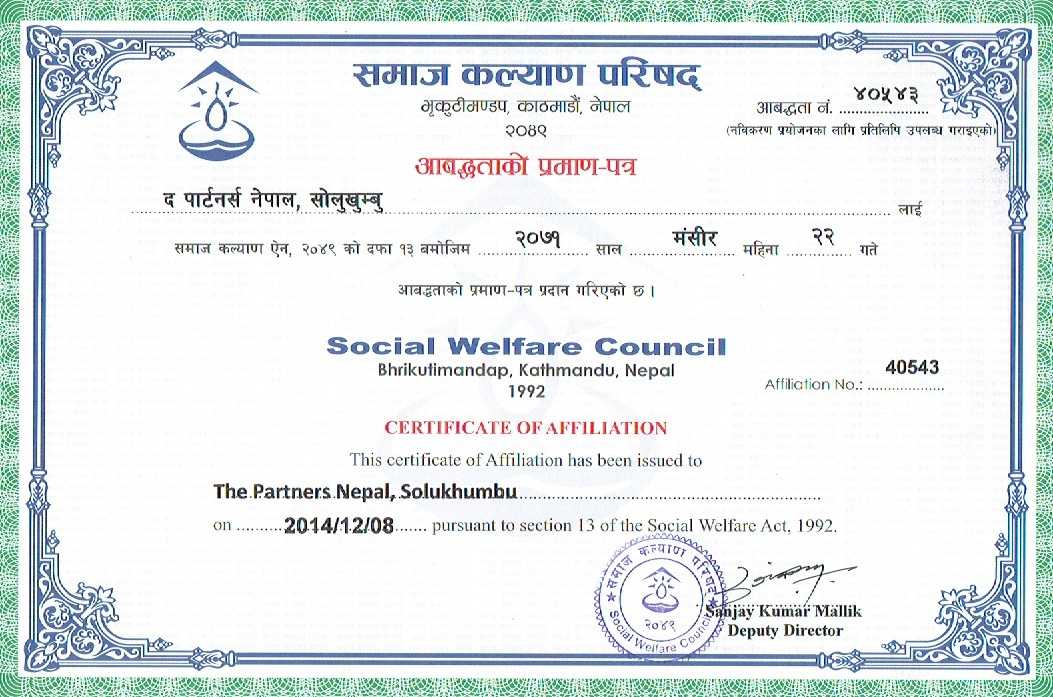
The Partners Nepal (TPN)
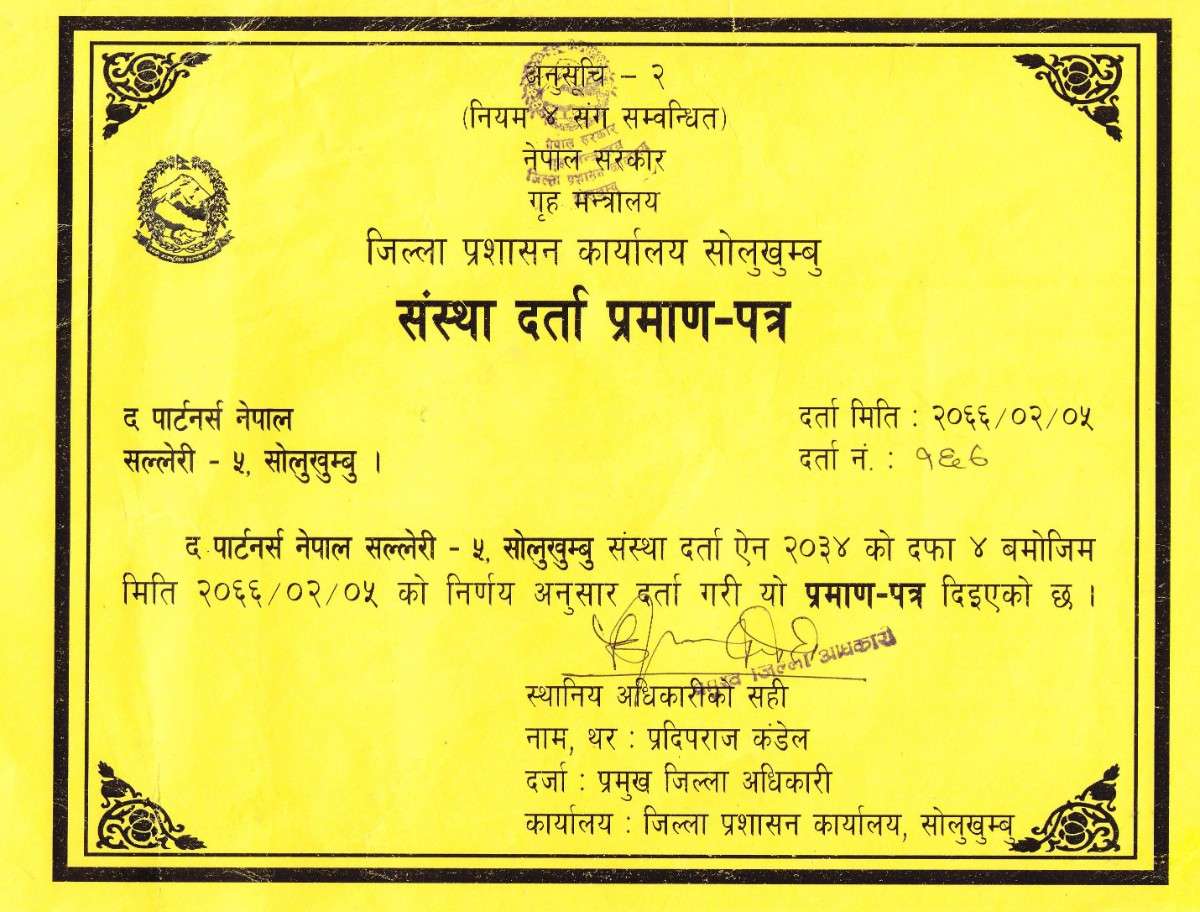
Established in 2012, The Partners Nepal (TPN) is a non-governmental organization dedicated to empowering mountain communities across Nepal. Working in some of the country’s most remote and climate-vulnerable regions, TPN supports local people to strengthen livelihoods, restore fragile ecosystems, and preserve natural and cultural heritage.
Our work focuses on climate change adaptation, alpine ecosystem restoration, community forestry, sustainable livelihoods, and community-based ecotourism. Through a participatory approach, we ensure that communities are active partners in designing and implementing solutions that are practical, locally appropriate, and sustainable.
Founded by experienced conservation and development professionals—many with decades of service in mountain regions—TPN combines technical expertise with deep community trust. We believe that when mountain communities are empowered with knowledge, resources, and opportunity, they become strong stewards of the Himalayas and leaders of their own resilient future. Together with our partners and donors, we are building greener landscapes, stronger communities, and lasting hope in Nepal’s mountains.



Our Vision
“To establish a platform for mountain communities in conserving mountain ecosystems, conservation, and restoration of natural and cultural heritage and to improve mountain communities’ sustainable livelihoods”.

Our Mission
“To help the improverished communities develop a sustainable source of income, and establish that will regenerate the local environment for current and future generation”
Our Impacts
Expected Impacts of Your Support
Conservation and Restoration of mountain ecosystems
Each year, we aim to plant 5,000–7,000 native trees in Sagarmatha, Langtang, and Solukhumbu, restoring 10–15 hectares of degraded alpine and sub-alpine ecosystem. By rehabilitating fragile slopes and protecting vital watersheds, this program reduces soil erosion, enhances climate resilience, and safeguards grazing lands that sustain livestock herders and mountain livelihoods.
Climate Change Awareness & Adaptation
Annually, over 2,500 local community members—including women and adolescents—participate in TPN’s climate adaptation and glacier-melt awareness programs. Through interactive training, educational handbooks, and community-led projects such as pond restoration, sustainable grazing practices, water conservation, and eco-friendly livelihoods, participants gain the knowledge and tools to respond to climate risks. These programs not only build resilience to environmental change but also strengthen community stewardship of natural resources for generations to come.
School Education
Provide physical and educational support to 1,200-1,500 kids in Solukhumbu, Pokhara, Sankhuwasaba and nearby regions. Equip the next generation in isolated villages of Solukhumbu and Sankhuwasaba with access to better quality education.
Healthcare & Community Resilience
Since 2016, support over 1,000 households in remote mountain villages by increasing food security and meeting the needs of senior residents. Every year, at Sir Edmund Hillary Memorial Museum and the Elderly Care Center in Bung, Solukhumbu, provides direct care and support to over ten old individuals, ensuring dignity, safety, and ahigher quality of life.
Our Team
Our Dedicated And Compassionate Team Members

Ang Rita Sherpa
Chairman
Ang Rita Sherpa, a native of Khunde village in Khumbu Pasanglhamu Rural Municipality-4, has served as Chairman of The Partners...
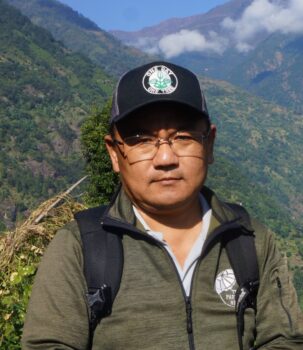
Bhem Raj Rai
Secretary
Bheem Raj Rai has been the Secretary of The Partners Nepal’s executive committee since its establishment in 2012. Before joining...

Bhala Kaji Kulung
Treasurer
Bhala Kaji Rai (Kulung) has served as the Treasurer of The Partners Nepal since its establishment in 2012. He has...
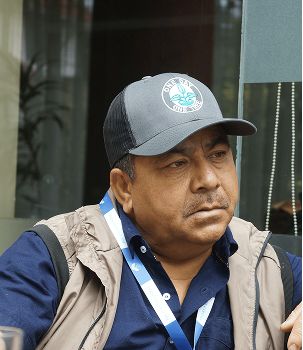
Dambar Thapa
Executive Member
Dambar Bahadur Thapa has been an executive member of The Partners Nepal (TPN) since its founding in 2012. Holding an...

Shova Rai
Executive Member
Shova Rai, an indigenous native of Solukhumbu, Nepal, has been an executive member of The Partners Nepal (TPN) since its...
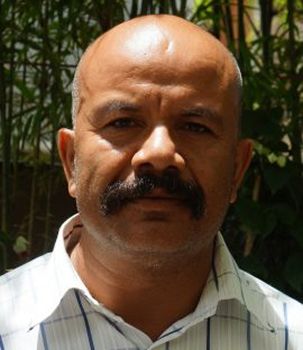
Chet Kumar Khatri
Executive Member
Chet Kumar Khatri has been an executive member of The Partners Nepal (TPN) since 2012. With over 20 years of...

Januka Kulung
Executive Member
Ms. Januka Kulung, from Mahakulung Rural Municipality-3, Solukhumbu, holds a BBS with a major in Financial Management from Bagmati College,...
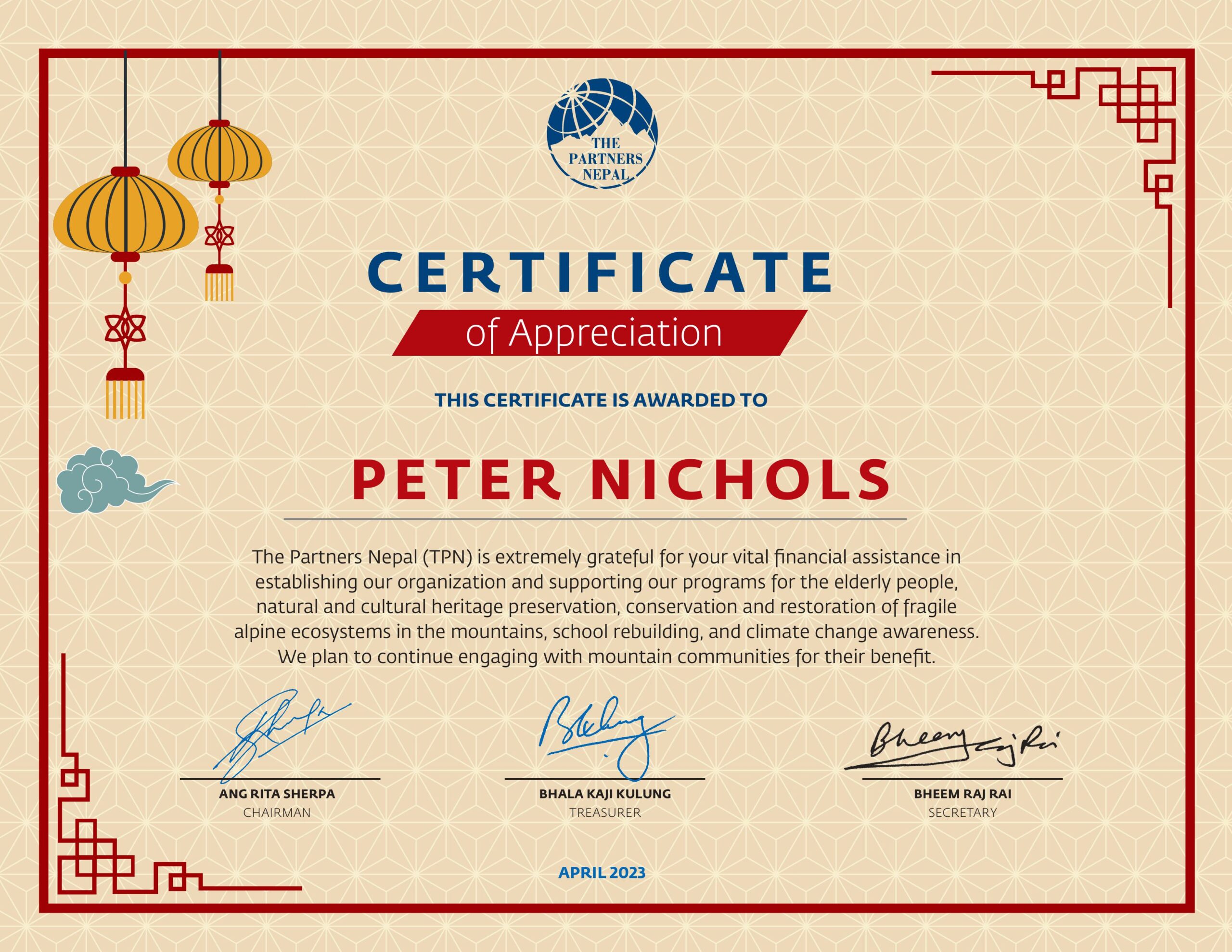
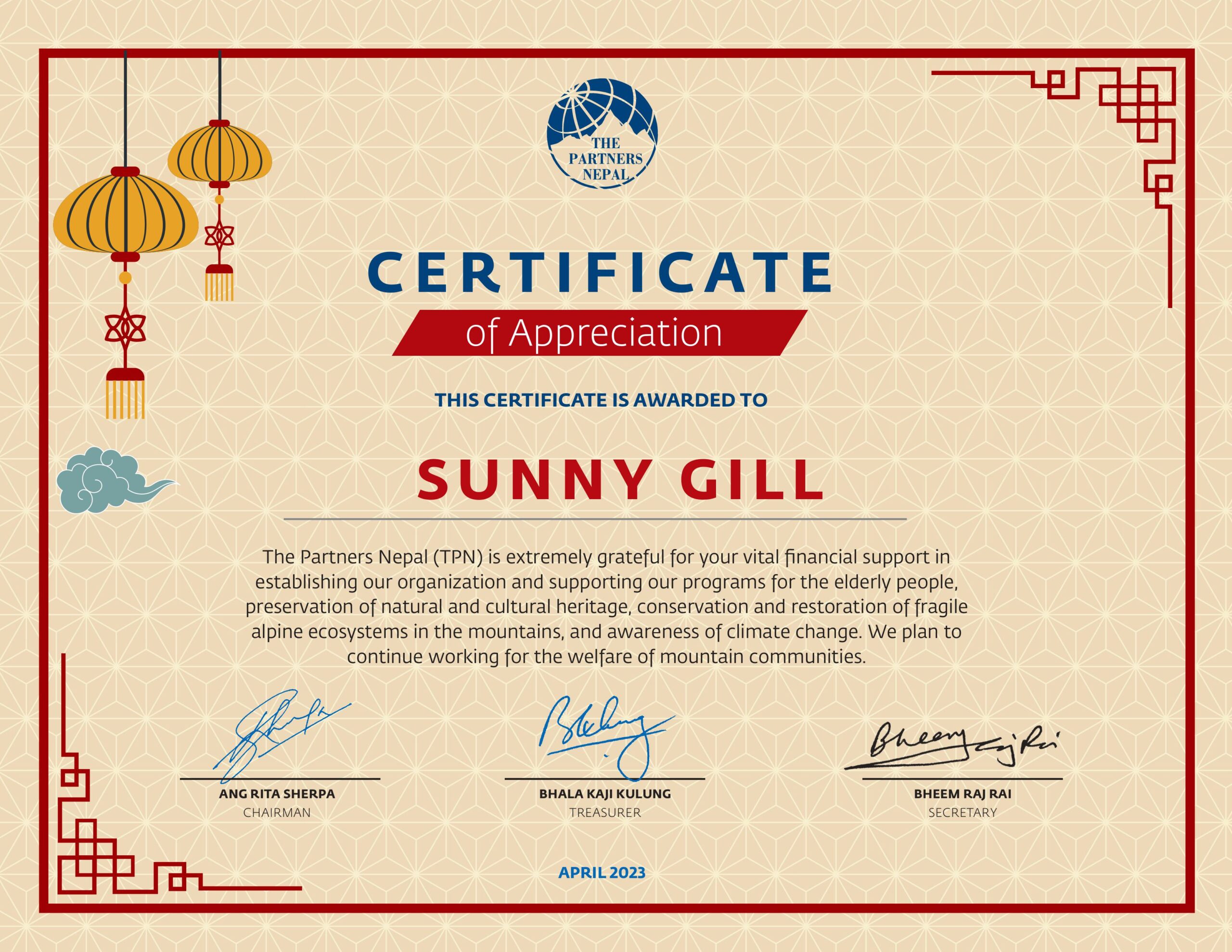
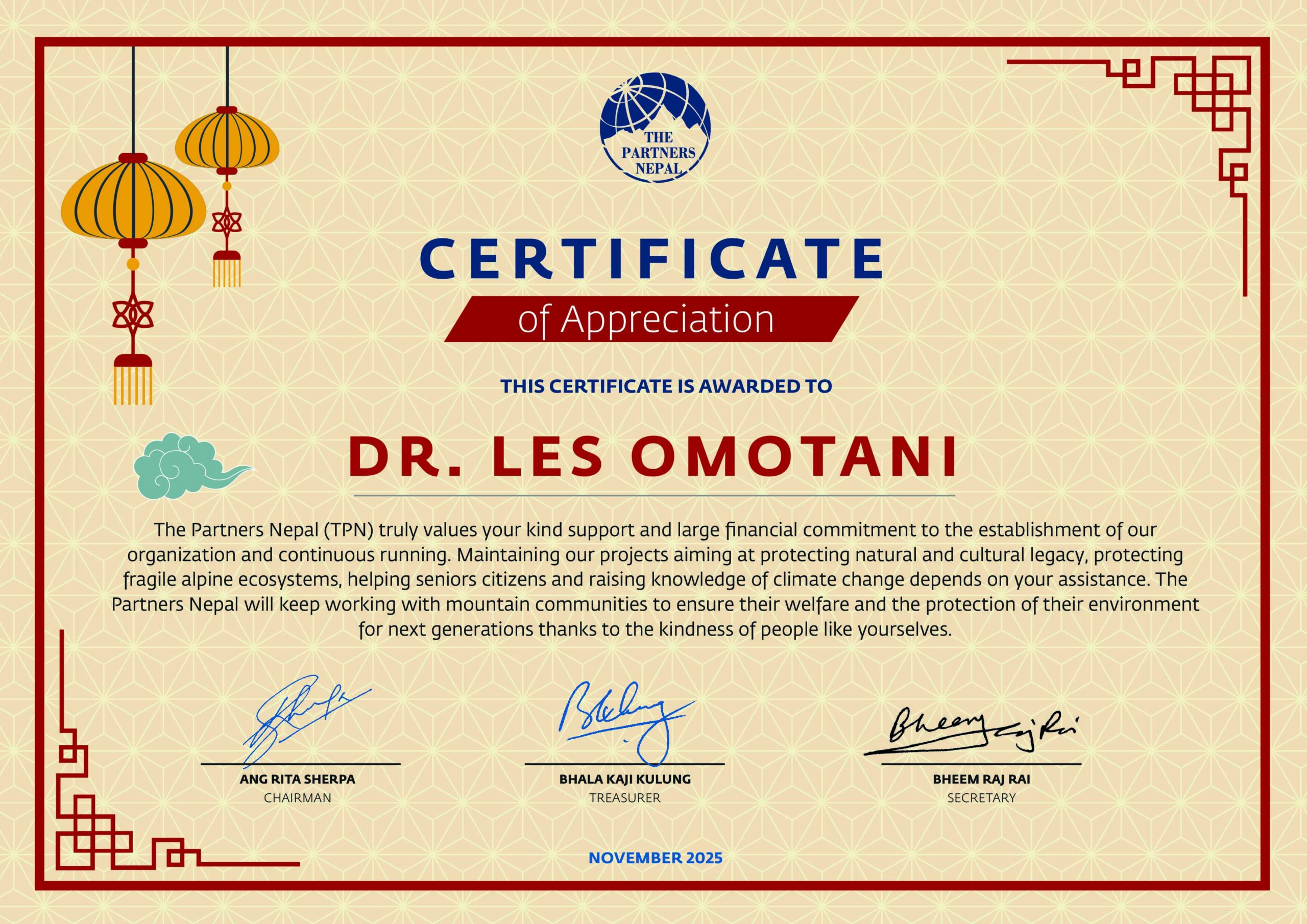
The Partners Nepal appreciates the supporters
Since our founding in 2012, The Partners Nepal has been deeply grateful for the generosity of our institutional and individual donors, whose support has enabled us to restore fragile alpine ecosystems, conserve cultural heritage sites, strengthen healthcare and schools, publish climate change education handbooks, and rehabilitate community ponds as vital climate-adaptation measures.